Furniture Disposal in Central London

Understanding Furniture Disposal
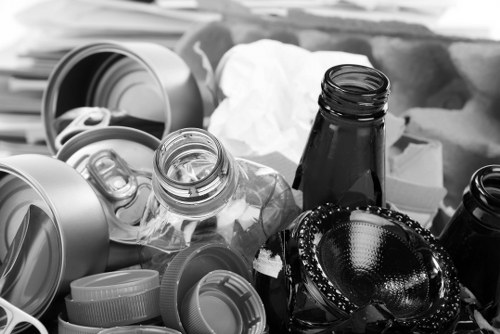
A collection of discarded household waste items including crushed aluminium cans with visible pull tabs and ridged edges, a transparent plastic bottle with the neck open and partially crushed, and several dark glass bottles with narrow necks and glossy surfaces, all piled together on a flat surface. Surrounding the waste are crumpled white paper or tissue and various unidentifiable objects, possibly packaging or container remnants. The scene appears to be indoors or on a pavement area, with no visible background or environmental context. The focus is on the mixture of recyclable materials and waste items, indicative of rubbish collection in central London. This image is associated with rubbish removal services provided by Waste Collection Central London, highlighting the types of household waste managed or disposed of during furniture and general rubbish clearance.

Disposing of furniture in Central London requires careful consideration to ensure that the process is efficient, environmentally friendly, and compliant with local regulations. Whether you are refurbishing your home, moving to a new location, or simply decluttering, knowing the best disposal methods can save you time and effort.

Central London, being a bustling metropolitan area, presents unique challenges and opportunities for furniture disposal. From recycling centers to charitable donations, there are numerous avenues available to residents and businesses alike.

In this comprehensive guide, we will explore various strategies and services available for furniture disposal in Central London, helping you make informed decisions that benefit both you and the environment.

Why Proper Furniture Disposal Matters
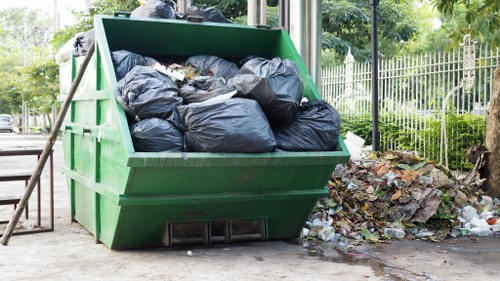
A large, green metal skip filled with tightly packed black rubbish bags is situated on a paved outdoor area, likely a street or residential driveway in Central London. The skip's open top reveals numerous full, overfilled black plastic bags, some with visible creases and slight tears, indicating they are containing household waste or debris. Surrounding the skip, there is a pile of loose rubbish, including discarded paper, plastic, and other debris, accumulated on the pavement near a small metal fence. In the background, there are green trees and a metal railing, suggesting a park or garden area nearby. The scene is illuminated by natural daylight, casting soft shadows. This arrangement reflects a typical rubbish removal instance managed by Waste Collection Central London, emphasizing the company's service of collecting and disposing of bulky refuse such as furniture or household waste within the local area, which may be near postal code E, characteristic of Central London neighborhoods.

Proper furniture disposal is essential for several reasons. Firstly, it helps reduce the environmental impact by minimizing waste sent to landfills. Secondly, responsible disposal practices can contribute to the circular economy by promoting the reuse and recycling of materials.

Additionally, disposing of furniture correctly can prevent potential fines and penalties associated with illegal dumping. Central London has strict regulations regarding waste management, and adhering to these laws ensures that you remain compliant and avoid unnecessary legal issues.

Finally, proper disposal can also benefit your community by supporting local charities and organizations that rely on donations to provide essential services.

Options for Furniture Disposal

A young woman with long brown hair, smiling and wearing a sleeveless green top, is standing indoors next to a blue recycling bin. She is holding a clear plastic bottle in her right hand and appears to be placing or preparing to place it inside the bin. The recycling bin has a white label with the word 'RECYCLING' visible on its side. The background features a plain, light-colored wall, and the scene is well-lit, highlighting the woman’s cheerful expression and the details of the plastic bottle, which is transparent with a blue cap. This image illustrates the process of waste separation and recycling, relevant to rubbish removal services provided by companies like Waste Collection Central London within the local context of urban waste management in the UK, specifically in the central London area.

1. Recycling Centers

Recycling centers in Central London offer a sustainable option for disposing of unwanted furniture. These facilities are equipped to handle various types of materials, ensuring that items are processed in an eco-friendly manner.

2. Charitable Donations

Donating furniture to charities not only helps those in need but also reduces the environmental burden of waste. Numerous organizations in Central London accept gently used furniture and redistribute it to those who require it.

3. Professional Removal Services

Professional furniture removal services provide a hassle-free solution for disposing of large or bulky items. These services often include collection, transportation, and proper disposal, saving you time and effort.

Steps to Effective Furniture Disposal
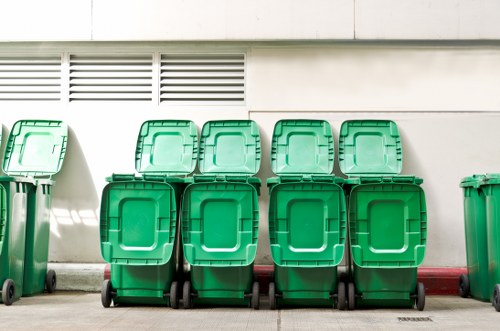
A row of eight green wheeled rubbish bins with closed lids, made of durable plastic with textured surfaces, positioned on a paved surface against a light grey building wall with horizontal ventilation grilles near the top. The bins are arranged side by side, with some slightly angled, and are situated on a clean, flat pavement area likely used for waste collection in central London. The scene shows natural daylight illuminating the bins evenly, and the environment suggests a typical urban setting where waste disposal services, such as those provided by Waste Collection Central London, operate to manage rubbish removal efficiently in the area. The bins' vibrant green colour indicates they are designated for general waste or recycling, and their organized placement reflects a routine collection schedule for properties within the postcode district included in central London.

This image complements the topic of eco-friendly furniture disposal solutions discussed on the webpage about environmentally conscious waste management practices in the boroughs served by Waste Collection Central London.

To ensure an effective and responsible furniture disposal process, follow these steps:

  • Assess the condition of the furniture to determine if it can be reused or needs to be recycled.
  • Research local disposal options, including recycling centers, donation centers, and professional services.
  • Prepare the furniture for disposal by cleaning and disassembling if necessary.
  • Arrange for transportation, either by scheduling a pickup with a service or delivering it to a designated location.
  • Ensure that the disposal method aligns with local regulations and environmental guidelines.

By following these steps, you can streamline the furniture disposal process and contribute to a more sustainable environment in Central London.

Environmental Impact of Furniture Disposal

A pile of multiple pink plastic rubbish bags stacked directly on a white surface, with some bags slightly bulging and tied at the top, indicating they are filled with waste or discarded items. The bags are arranged in a loose heap, with the largest bags situated towards the centre and smaller ones around the edges. The background is plain and neutral, providing clear contrast to the vibrant pink of the waste bags. This scene is representative of typical rubbish collection and disposal scenarios in urban areas such as Central London, where waste removal services by companies like Waste Collection Central London manage domestic or commercial rubbish. The environment appears dry, and the focus is entirely on the heaps of waste bags, without any visible recycling containers, vehicles, or other outdoor elements, emphasizing the importance of proper rubbish disposal and clearance services available in the local area.

The environmental impact of furniture disposal is significant, given the materials involved and the volume of waste generated. Proper disposal practices help mitigate this impact by promoting recycling and reducing landfill usage.

Furniture items often contain materials such as wood, metal, and upholstery, all of which can be recycled or repurposed. By diverting these materials from landfills, we conserve natural resources and reduce greenhouse gas emissions associated with waste decomposition.

Moreover, responsible disposal can inspire community-wide efforts toward sustainability, encouraging more individuals and businesses to prioritize eco-friendly practices in their daily operations.

Cost-Effective Disposal Solutions

A collection of discarded household waste items including crushed aluminium cans with visible pull tabs and ridged edges, a transparent plastic bottle with the neck open and partially crushed, and several dark glass bottles with narrow necks and glossy surfaces, all piled together on a flat surface. Surrounding the waste are crumpled white paper or tissue and various unidentifiable objects, possibly packaging or container remnants. The scene appears to be indoors or on a pavement area, with no visible background or environmental context. The focus is on the mixture of recyclable materials and waste items, indicative of rubbish collection in central London. This image is associated with rubbish removal services provided by Waste Collection Central London, highlighting the types of household waste managed or disposed of during furniture and general rubbish clearance.

Furniture disposal can be expensive, but there are cost-effective solutions available in Central London. Utilizing recycling centers and charitable donations can often be free or low-cost compared to professional removal services.

Additionally, some local councils offer subsidized disposal services for residents, making it more affordable to dispose of large items responsibly. It's worthwhile to explore these options before opting for more expensive methods.

By choosing cost-effective disposal solutions, you can manage your budget while still adhering to environmentally responsible practices.

Choosing the Right Disposal Service

A large, green metal skip filled with tightly packed black rubbish bags is situated on a paved outdoor area, likely a street or residential driveway in Central London. The skip's open top reveals numerous full, overfilled black plastic bags, some with visible creases and slight tears, indicating they are containing household waste or debris. Surrounding the skip, there is a pile of loose rubbish, including discarded paper, plastic, and other debris, accumulated on the pavement near a small metal fence. In the background, there are green trees and a metal railing, suggesting a park or garden area nearby. The scene is illuminated by natural daylight, casting soft shadows. This arrangement reflects a typical rubbish removal instance managed by Waste Collection Central London, emphasizing the company's service of collecting and disposing of bulky refuse such as furniture or household waste within the local area, which may be near postal code E, characteristic of Central London neighborhoods.

Factors to Consider

When selecting a furniture disposal service in Central London, consider the following factors:

  1. Reputation: Look for services with positive reviews and a history of reliable performance.
  2. Services Offered: Ensure the service can handle the type and volume of furniture you need to dispose of.
  3. Environmental Practices: Choose services that prioritize recycling and sustainable disposal methods.
  4. Cost: Compare pricing structures to find a service that fits your budget.
  5. Convenience: Opt for services that offer flexible scheduling and easy booking processes.

By evaluating these factors, you can select a disposal service that meets your needs and aligns with your values.

Legal Regulations in Central London

A young woman with long brown hair, smiling and wearing a sleeveless green top, is standing indoors next to a blue recycling bin. She is holding a clear plastic bottle in her right hand and appears to be placing or preparing to place it inside the bin. The recycling bin has a white label with the word 'RECYCLING' visible on its side. The background features a plain, light-colored wall, and the scene is well-lit, highlighting the woman’s cheerful expression and the details of the plastic bottle, which is transparent with a blue cap. This image illustrates the process of waste separation and recycling, relevant to rubbish removal services provided by companies like Waste Collection Central London within the local context of urban waste management in the UK, specifically in the central London area.

Central London has specific regulations governing furniture disposal to ensure environmental protection and public safety.

Illegal dumping of furniture can result in hefty fines and legal consequences. It's crucial to familiarize yourself with local laws and disposal guidelines to remain compliant.

Additionally, some materials may require special handling or disposal methods. Consulting with local waste management authorities can provide clarity on the proper procedures.

Benefits of Recycling Furniture

A row of eight green wheeled rubbish bins with closed lids, made of durable plastic with textured surfaces, positioned on a paved surface against a light grey building wall with horizontal ventilation grilles near the top. The bins are arranged side by side, with some slightly angled, and are situated on a clean, flat pavement area likely used for waste collection in central London. The scene shows natural daylight illuminating the bins evenly, and the environment suggests a typical urban setting where waste disposal services, such as those provided by Waste Collection Central London, operate to manage rubbish removal efficiently in the area. The bins' vibrant green colour indicates they are designated for general waste or recycling, and their organized placement reflects a routine collection schedule for properties within the postcode district included in central London.

This image complements the topic of eco-friendly furniture disposal solutions discussed on the webpage about environmentally conscious waste management practices in the boroughs served by Waste Collection Central London.

Recycling furniture offers numerous benefits, both environmentally and economically. It reduces the demand for new raw materials, lowers energy consumption, and decreases greenhouse gas emissions.

Economically, recycling can create jobs in the processing and manufacturing sectors, contributing to the local economy.

Moreover, recycled materials can be transformed into new products, fostering innovation and sustainability in the design industry.

Donating Furniture to Charity

A pile of multiple pink plastic rubbish bags stacked directly on a white surface, with some bags slightly bulging and tied at the top, indicating they are filled with waste or discarded items. The bags are arranged in a loose heap, with the largest bags situated towards the centre and smaller ones around the edges. The background is plain and neutral, providing clear contrast to the vibrant pink of the waste bags. This scene is representative of typical rubbish collection and disposal scenarios in urban areas such as Central London, where waste removal services by companies like Waste Collection Central London manage domestic or commercial rubbish. The environment appears dry, and the focus is entirely on the heaps of waste bags, without any visible recycling containers, vehicles, or other outdoor elements, emphasizing the importance of proper rubbish disposal and clearance services available in the local area.

Donating furniture to charity is a humane and sustainable disposal method. It provides essential items to those in need while reducing waste.

Numerous charities in Central London accept furniture donations, offering tax benefits and free pickup services. This option not only benefits the environment but also supports the community.

Before donating, ensure that the furniture is in good condition and meets the charity's criteria to facilitate a smooth donation process.

Innovative Disposal Methods

A collection of discarded household waste items including crushed aluminium cans with visible pull tabs and ridged edges, a transparent plastic bottle with the neck open and partially crushed, and several dark glass bottles with narrow necks and glossy surfaces, all piled together on a flat surface. Surrounding the waste are crumpled white paper or tissue and various unidentifiable objects, possibly packaging or container remnants. The scene appears to be indoors or on a pavement area, with no visible background or environmental context. The focus is on the mixture of recyclable materials and waste items, indicative of rubbish collection in central London. This image is associated with rubbish removal services provided by Waste Collection Central London, highlighting the types of household waste managed or disposed of during furniture and general rubbish clearance.

As sustainability becomes increasingly important, innovative furniture disposal methods are emerging in Central London. From upcycling workshops to furniture leasing programs, these solutions promote longevity and resourcefulness.

Upcycling transforms unwanted furniture into unique, functional pieces, giving new life to old items and reducing the need for new materials.

Furniture leasing allows individuals and businesses to use high-quality furniture without the long-term commitment of ownership, facilitating easy upgrades and disposals.

Preparing Furniture for Disposal

A large, green metal skip filled with tightly packed black rubbish bags is situated on a paved outdoor area, likely a street or residential driveway in Central London. The skip's open top reveals numerous full, overfilled black plastic bags, some with visible creases and slight tears, indicating they are containing household waste or debris. Surrounding the skip, there is a pile of loose rubbish, including discarded paper, plastic, and other debris, accumulated on the pavement near a small metal fence. In the background, there are green trees and a metal railing, suggesting a park or garden area nearby. The scene is illuminated by natural daylight, casting soft shadows. This arrangement reflects a typical rubbish removal instance managed by Waste Collection Central London, emphasizing the company's service of collecting and disposing of bulky refuse such as furniture or household waste within the local area, which may be near postal code E, characteristic of Central London neighborhoods.

Cleaning and Repair

Before disposing of furniture, it's essential to clean and repair items to enhance their usability for recycling or donation.

Disassembly

Disassembling large pieces can make transportation easier and reduce the risk of damage during handling.

Sorting Materials

Sorting furniture by materials such as wood, metal, and fabric can streamline the recycling process and ensure proper handling of each component.

Proper preparation not only facilitates efficient disposal but also increases the likelihood of your furniture being reused or repurposed.

Cost Factors in Furniture Disposal

A young woman with long brown hair, smiling and wearing a sleeveless green top, is standing indoors next to a blue recycling bin. She is holding a clear plastic bottle in her right hand and appears to be placing or preparing to place it inside the bin. The recycling bin has a white label with the word 'RECYCLING' visible on its side. The background features a plain, light-colored wall, and the scene is well-lit, highlighting the woman’s cheerful expression and the details of the plastic bottle, which is transparent with a blue cap. This image illustrates the process of waste separation and recycling, relevant to rubbish removal services provided by companies like Waste Collection Central London within the local context of urban waste management in the UK, specifically in the central London area.

The cost of furniture disposal in Central London can vary based on several factors, including the type and volume of items, the chosen disposal method, and additional services such as pickup and transportation.

Professional removal services typically charge based on the size and weight of the furniture, as well as the distance of transport.

Choosing eco-friendly disposal options, such as recycling or donating, can often be more cost-effective, especially if subsidies or free services are available through local councils.

Maximizing Efficiency in Disposal

A row of eight green wheeled rubbish bins with closed lids, made of durable plastic with textured surfaces, positioned on a paved surface against a light grey building wall with horizontal ventilation grilles near the top. The bins are arranged side by side, with some slightly angled, and are situated on a clean, flat pavement area likely used for waste collection in central London. The scene shows natural daylight illuminating the bins evenly, and the environment suggests a typical urban setting where waste disposal services, such as those provided by Waste Collection Central London, operate to manage rubbish removal efficiently in the area. The bins' vibrant green colour indicates they are designated for general waste or recycling, and their organized placement reflects a routine collection schedule for properties within the postcode district included in central London.

This image complements the topic of eco-friendly furniture disposal solutions discussed on the webpage about environmentally conscious waste management practices in the boroughs served by Waste Collection Central London.

Maximizing efficiency in furniture disposal involves strategic planning and organization. Start by creating a list of items to be disposed of and categorize them based on their condition and disposal method.

Scheduling disposal activities during off-peak hours can expedite the process and reduce wait times with service providers.

Additionally, consolidating multiple items for bulk disposal can often lead to discounts and streamlined handling.

Community Resources and Support

A pile of multiple pink plastic rubbish bags stacked directly on a white surface, with some bags slightly bulging and tied at the top, indicating they are filled with waste or discarded items. The bags are arranged in a loose heap, with the largest bags situated towards the centre and smaller ones around the edges. The background is plain and neutral, providing clear contrast to the vibrant pink of the waste bags. This scene is representative of typical rubbish collection and disposal scenarios in urban areas such as Central London, where waste removal services by companies like Waste Collection Central London manage domestic or commercial rubbish. The environment appears dry, and the focus is entirely on the heaps of waste bags, without any visible recycling containers, vehicles, or other outdoor elements, emphasizing the importance of proper rubbish disposal and clearance services available in the local area.

Central London offers a wealth of community resources and support for furniture disposal. Local councils provide information on recycling centers, donation programs, and legal guidelines to assist residents in managing waste effectively.

Community groups and non-profit organizations also host events such as furniture drives and recycling workshops, promoting sustainable disposal practices.

Engaging with these resources can enhance your disposal strategy, ensuring that you utilize all available options for responsible furniture management.

Technological Advancements in Disposal

A collection of discarded household waste items including crushed aluminium cans with visible pull tabs and ridged edges, a transparent plastic bottle with the neck open and partially crushed, and several dark glass bottles with narrow necks and glossy surfaces, all piled together on a flat surface. Surrounding the waste are crumpled white paper or tissue and various unidentifiable objects, possibly packaging or container remnants. The scene appears to be indoors or on a pavement area, with no visible background or environmental context. The focus is on the mixture of recyclable materials and waste items, indicative of rubbish collection in central London. This image is associated with rubbish removal services provided by Waste Collection Central London, highlighting the types of household waste managed or disposed of during furniture and general rubbish clearance.

Technological advancements are revolutionizing furniture disposal in Central London. Innovations such as digital platforms for scheduling pickups, tracking disposal progress, and facilitating donations are making the process more user-friendly.

Smart sorting systems in recycling centers enhance the efficiency and accuracy of material processing, ensuring that more items are successfully recycled or repurposed.

These technological improvements contribute to a more streamlined and effective disposal ecosystem, benefiting both providers and users.

Future Trends in Furniture Disposal

A large, green metal skip filled with tightly packed black rubbish bags is situated on a paved outdoor area, likely a street or residential driveway in Central London. The skip's open top reveals numerous full, overfilled black plastic bags, some with visible creases and slight tears, indicating they are containing household waste or debris. Surrounding the skip, there is a pile of loose rubbish, including discarded paper, plastic, and other debris, accumulated on the pavement near a small metal fence. In the background, there are green trees and a metal railing, suggesting a park or garden area nearby. The scene is illuminated by natural daylight, casting soft shadows. This arrangement reflects a typical rubbish removal instance managed by Waste Collection Central London, emphasizing the company's service of collecting and disposing of bulky refuse such as furniture or household waste within the local area, which may be near postal code E, characteristic of Central London neighborhoods.

The future of furniture disposal in Central London is leaning towards greater sustainability and innovation. Trends such as circular economy models, where products are designed for reuse and recycling from the outset, are gaining traction.

Additionally, increasing awareness and education around sustainable disposal practices are empowering more individuals and businesses to participate actively in reducing waste.

As technology continues to evolve, the disposal process will become even more efficient, offering new solutions to the challenges of managing unwanted furniture.

Conclusion

A young woman with long brown hair, smiling and wearing a sleeveless green top, is standing indoors next to a blue recycling bin. She is holding a clear plastic bottle in her right hand and appears to be placing or preparing to place it inside the bin. The recycling bin has a white label with the word 'RECYCLING' visible on its side. The background features a plain, light-colored wall, and the scene is well-lit, highlighting the woman’s cheerful expression and the details of the plastic bottle, which is transparent with a blue cap. This image illustrates the process of waste separation and recycling, relevant to rubbish removal services provided by companies like Waste Collection Central London within the local context of urban waste management in the UK, specifically in the central London area.

Furniture disposal in Central London encompasses a range of options and strategies aimed at promoting sustainability, compliance, and community support. By understanding the available methods, adhering to local regulations, and choosing environmentally friendly practices, residents and businesses can manage their furniture waste responsibly.

Whether through recycling, donating, or utilizing professional services, effective disposal not only benefits the environment but also supports the local economy and community well-being.

Take the first step towards responsible furniture disposal today by exploring the options outlined in this guide. Contact us today to learn more about how we can assist you in your furniture disposal needs.

Frequently Asked Questions

Top furniture disposal companies use specialized trucks and tools to safely remove and transport items. They employ trained staff to handle different types of furniture efficiently. Additionally, they use eco-friendly equipment to minimize environmental impact. Contact our team for a quick quote and experience professional disposal methods firsthand.

Yes, our furniture disposal services are accredited by leading industry organizations, ensuring we adhere to the highest standards. These accreditations reflect our commitment to quality and reliability. Trust our certified team for your disposal needs and contact us today for more information.

Absolutely, our furniture disposal services are fully certified and insured, guaranteeing legal compliance and protection for your property. Our certifications validate our expertise, while our insurance safeguards against any unforeseen incidents. Reach out to our licensed team for a worry-free disposal experience.

We prioritize environmental responsibility by recycling and donating as much of your furniture as possible. Our disposal process ensures minimal landfill waste, with a high recycling rate achieved through partnerships with local organizations. Choose our eco-friendly services and make a positive impact by contacting us today.

Our furniture disposal team boasts over a decade of experience, making us trusted experts in the industry. With years of service, we have honed our processes to ensure efficient and reliable disposal. Let our experienced professionals handle your furniture removal – get in touch for a quick quote.

Yes, our furniture disposal services are both safe and reliable. We follow strict safety protocols and use secure methods to protect your home and belongings during the disposal process. Our trusted team ensures a hassle-free experience. Contact us for a dependable furniture removal service you can count on.

We offer competitive and affordable furniture disposal services without compromising on quality. Our transparent pricing ensures you receive the best value for your money. Compare us with other providers near you and see the difference. Reach out today for an affordable quote tailored to your needs.

We pride ourselves on complete pricing transparency, with no hidden fees. Our quotes are clear and detailed, so you know exactly what to expect. We strive to provide honest and upfront costs, ensuring you feel confident in your decision. Contact our team for a straightforward and transparent quote.

Yes, ethical practices are at the core of our furniture disposal services. We ensure responsible recycling, donation, and disposal of items, minimizing environmental impact and supporting local communities. Trust our moral approach to furniture removal and contact us to learn more about our ethical standards.

Our furniture disposal services hold certifications from recognized authorities that confirm our adherence to all legal requirements. These certifications demonstrate our commitment to proper disposal methods and regulatory compliance. Choose our licensed and certified team for compliant and reliable furniture removal.

We achieve a high recycling rate, with over 80% of disposed furniture being recycled or donated. This commitment reduces landfill waste and supports sustainable practices. Our environmentally responsible approach ensures your furniture disposal is handled responsibly. Contact us to support eco-friendly disposal today.

Our furniture disposal services are highly trusted by customers, backed by numerous positive reviews and a proven track record of over 15 years. We prioritize customer satisfaction, reliability, and professionalism in every job. Join our satisfied clients by reaching out today for trusted and dependable furniture removal.
Waste Collection Central London

Explore comprehensive and eco-friendly furniture disposal methods in Central London, including recycling, donations, and professional services for efficient and compliant waste management.

Book Your Service Now

Get In Touch With Us.

Please fill out the form below to send us an email and we will get back to you as soon as possible.