Efficient Waste Collection in Covent Garden

Covent Garden, known for its vibrant culture and bustling streets, also prioritizes efficient waste collection to maintain its cleanliness and charm. Proper waste management is essential in such a busy area to ensure a healthy environment for residents, visitors, and businesses alike.
Waste collection in Covent Garden involves regular pickups, recycling programs, and initiatives aimed at reducing the overall waste footprint. The local authorities work closely with businesses and residents to implement effective waste management strategies.
Understanding the waste collection schedule and guidelines can help everyone contribute to a cleaner Covent Garden. This article delves into the waste collection processes, schedules, recycling efforts, and nearby areas benefiting from these services.
Waste Collection Schedule in Covent Garden

The waste collection schedule in Covent Garden is designed to accommodate the high volume of waste generated daily. Regular pickups ensure that waste does not accumulate, preventing potential health hazards and maintaining the area's aesthetic appeal.
Typically, waste is collected multiple times a week, with specific days allocated for different types of waste. This systematic approach helps in managing the waste efficiently and ensures timely disposal.
Residents and businesses should familiarize themselves with the local schedule to ensure their waste is disposed of correctly and punctually. Missing a collection day can lead to delays and overflow of waste bins.
Recycling Programs in Covent Garden
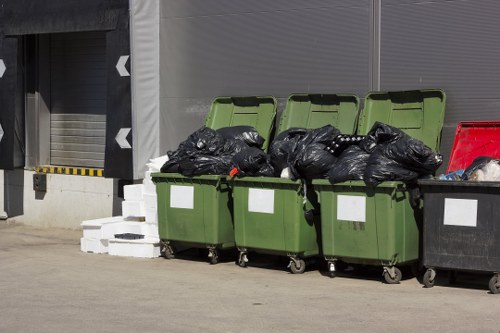
Recycling is a crucial component of waste management in Covent Garden. The area promotes recycling through various programs that encourage the separation and proper disposal of recyclable materials.
Recyclable items such as paper, plastic, glass, and metal are collected separately from general waste. This separation facilitates the recycling process and reduces the amount of waste sent to landfills.
Educational campaigns and incentives are in place to motivate residents and businesses to participate in recycling efforts. Proper recycling not only benefits the environment but also supports the local economy by creating jobs in the recycling sector.
Special Waste Collection Services

In addition to regular waste collection, Covent Garden offers special services for hazardous and bulky waste. Proper disposal of such waste is vital to prevent environmental contamination and health risks.
Hazardous waste, including chemicals, batteries, and electronic waste, requires careful handling and disposal. Covent Garden provides designated collection points for these items to ensure they are processed safely.
Bulky waste, such as furniture and large appliances, is also collected periodically. Residents can schedule pickups or drop off items at designated collection centers, ensuring that these items are disposed of responsibly.
Community Involvement in Waste Management
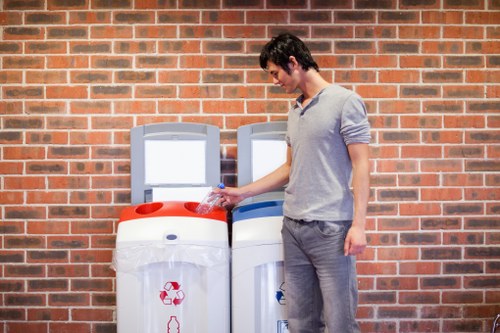
Community involvement plays a significant role in the success of waste management in Covent Garden. Local residents and businesses collaborate with authorities to enhance waste collection services and promote sustainable practices.
Workshops, seminars, and informational sessions are regularly held to educate the community about effective waste management techniques. These initiatives aim to foster a sense of responsibility and encourage proactive participation.
Volunteering programs and community clean-up events also contribute to maintaining the cleanliness of Covent Garden. Such collective efforts help address waste issues promptly and uphold the area's reputation as a clean and attractive destination.
Innovative Technologies in Waste Collection
Covent Garden embraces innovative technologies to enhance waste collection efficiency. Smart bins equipped with sensors monitor waste levels, optimizing collection routes and schedules.
Data analytics are utilized to predict waste generation patterns, allowing for better resource allocation and reducing operational costs. These technologies contribute to a more sustainable and responsive waste management system.
Additionally, mobile applications provide residents with real-time information about collection schedules, recycling guidelines, and reporting tools for waste-related issues. These tools empower the community to stay informed and engaged in waste management practices.
Environmental Impact and Sustainability
Effective waste collection in Covent Garden significantly impacts the environment by reducing pollution and conserving resources. Sustainable waste management practices minimize the reliance on landfills and promote the reuse of materials.
Composting initiatives are also part of the sustainability efforts, converting organic waste into valuable compost for gardening and landscaping. This not only reduces waste but also enriches the soil and supports urban green spaces.
Covent Garden's commitment to sustainability extends to reducing single-use plastics and encouraging the use of eco-friendly alternatives. These measures contribute to a healthier environment and set a positive example for other communities.
Challenges in Waste Collection
Despite the robust waste collection system, Covent Garden faces challenges such as increasing waste volumes and managing illegal dumping. The growing population and influx of tourists contribute to the rising amount of waste generated daily.
Addressing illegal dumping requires constant vigilance and enforcement of regulations. Community awareness and strict penalties are essential in deterring such activities and ensuring compliance with waste disposal guidelines.
Additionally, coordinating waste collection in densely populated areas poses logistical challenges. Efficient route planning and resource management are critical to overcoming these obstacles and maintaining effective waste services.
Role of Businesses in Waste Management
Businesses in Covent Garden play a pivotal role in waste collection and management. Implementing sustainable practices not only benefits the environment but also enhances the business reputation and customer trust.
Many businesses participate in recycling programs, waste reduction initiatives, and sustainable sourcing to minimize their waste footprint. These efforts contribute to the overall effectiveness of waste management in the area.
Collaboration between businesses and local authorities ensures the smooth operation of waste collection services and the development of innovative solutions to waste-related issues.
Educational Initiatives and Awareness Programs
Educational initiatives are fundamental in promoting responsible waste management among Covent Garden residents and visitors. Awareness programs highlight the importance of reducing, reusing, and recycling waste.
Schools, community centers, and local organizations conduct workshops and events to educate the public about waste management practices and environmental conservation.
These programs aim to instill a sense of environmental responsibility and encourage proactive participation in waste reduction efforts, fostering a community-oriented approach to waste management.
Government Policies and Regulations
The success of waste collection in Covent Garden is supported by robust government policies and regulations. These guidelines establish standards for waste disposal, recycling, and environmental protection.
Regulations mandate proper waste segregation, timely collection, and the prohibition of illegal dumping, ensuring that waste management practices align with environmental goals.
Government incentives and support programs also encourage businesses and residents to adopt sustainable waste management practices, fostering a collaborative effort towards a greener Covent Garden.
Future of Waste Collection in Covent Garden
The future of waste collection in Covent Garden looks promising with ongoing advancements in technology and sustainable practices. Continued investment in smart waste management systems is expected to enhance efficiency and reduce environmental impact.
Innovative recycling methods and waste-to-energy projects are being explored to further minimize waste and generate renewable energy, contributing to Covent Garden's sustainability goals.
Community engagement and education will remain essential components in advancing waste management efforts, ensuring that Covent Garden continues to thrive as a clean and eco-friendly destination.
Top Areas Near Covent Garden for Waste Collection Services
- Soho: Just north of Covent Garden, Soho benefits from the same efficient waste collection services, ensuring the area's vibrant nightlife remains clean.
- Bloomsbury: Located to the northwest, Bloomsbury has access to comprehensive recycling programs and regular waste pickups.
- Fitzrovia: To the west, Fitzrovia leverages Covent Garden's waste management systems for its bustling residential and commercial zones.
- Marylebone: Southeast of Covent Garden, Marylebone enjoys timely waste collection and specialized waste disposal services.
- Holborn: Directly east, Holborn shares waste management resources, ensuring seamless waste collection across both areas.
- St. James's: Southwest, St. James's benefits from the same recycling initiatives and waste reduction programs.
- Chinatown: Adjacent to Covent Garden, Chinatown utilizes the area's waste collection services to manage its unique waste streams effectively.
- Leicester Square: Northeast, Leicester Square has access to frequent waste pickups and dedicated recycling bins.
- Seven Dials: Close by, Seven Dials employs the same waste management practices, maintaining its picturesque streets.
- Bloomsbury: North of Covent Garden, Bloomsbury benefits from comprehensive waste collection and recycling programs.
- Seven Sisters: Northwest, Seven Sisters uses Covent Garden's efficient waste services for its residential areas.
- Mayfair: To the west, Mayfair enjoys specialized waste collection services catering to its upscale establishments.
- Holborn: Northeast, Holborn shares waste management resources with Covent Garden, ensuring effective waste disposal.
- Soho: Adjacent to the north, Soho benefits from the same waste collection initiatives, keeping its energy vibrant and clean.
- Fitzrovia: West of Covent Garden, Fitzrovia leverages advanced waste collection technologies for better efficiency.
Conclusion
Waste collection in Covent Garden is a well-coordinated effort involving regular pickups, recycling programs, community involvement, and innovative technologies. These elements work together to maintain the area's cleanliness and sustainability.
By understanding and adhering to waste collection schedules, participating in recycling programs, and supporting community initiatives, residents and businesses can contribute significantly to effective waste management.
As Covent Garden continues to evolve, ongoing advancements in waste collection and management practices will ensure that it remains a clean, vibrant, and sustainable destination for all.
Frequently Asked Questions
1. How often is waste collected in Covent Garden?
Waste collection in Covent Garden typically occurs multiple times a week, with specific days allocated for different types of waste to ensure timely and efficient disposal.
2. What items are recyclable in Covent Garden?
Common recyclable items include paper, plastic, glass, and metal. It's important to separate these materials from general waste to facilitate effective recycling.
3. How can businesses participate in Covent Garden's waste management programs?
Businesses can participate by adopting recycling practices, reducing waste generation, and collaborating with local authorities to implement sustainable waste management strategies.
4. Where can I dispose of hazardous waste in Covent Garden?
Hazardous waste can be disposed of at designated collection points throughout Covent Garden. It's advisable to check the local waste management website for specific locations and guidelines.
5. Are there any community initiatives for waste management in Covent Garden?
Yes, Covent Garden hosts various community clean-up events, workshops, and educational programs aimed at promoting responsible waste management and environmental stewardship.
