Give Old Items a Makeover with Clever Upcycling Solutions
Do you ever look at worn-out furniture, empty bottles, or outdated clothing and think they're destined for the landfill? Think again! Upcycling is taking the world by storm, offering innovative and sustainable solutions to breathe new life into neglected items around your home. In this comprehensive guide, we'll delve into clever upcycling ideas that can help you give old items a makeover, reduce waste, and showcase your creative side.
What is Upcycling? Understanding the Concept
Upcycling is the art of transforming discarded or unused items into products of higher value and utility. Unlike recycling, which breaks materials down, upcycling repurposes materials creatively, resulting in something new and often better than its original state. This process not only minimizes waste but also encourages innovation and personal expression.
- Eco-Friendly: Reduces the strain on natural resources
- Cost-Effective: Offers budget-friendly home upgrades
- Unique Results: Yields one-of-a-kind items for your space or wardrobe
Benefits of Upcycling: Why You Should Give Old Items a Makeover
With increasing environmental concerns and a global push towards sustainability, upcycling solutions provide an accessible way to participate in positive change. Here are some key advantages:
Environmental Impact
Every year, millions of tons of waste find their way to landfills, polluting our planet and depleting its resources. Giving old items a makeover through upcycling:
- Reduces landfill waste
- Decreases greenhouse gas emissions
- Lowers demand for new raw materials
Creative Expression
Upcycling is more than a practical solution--it's a creative outlet! From customizing old jeans into trendy bags to repainting worn chairs, each project allows you to express your individual style while refreshing your home or wardrobe.
Financial Savings
Why buy new when a little creativity can reimagine what's already at hand? Upcycling is a budget-savvy way to update your decor or clothing without the expense of new purchases.
Smart Upcycling Solutions to Transform Old Items
Let's explore ingenious ways to upcycle and give your old possessions a new lease on life.
1. Upcycling Furniture: From Boring to Beautiful
Has your coffee table seen better days? Are old wooden chairs gathering dust in the garage? Furniture upcycling is one of the most rewarding and visual ways to refresh your interior design. Here's how to get started:
- Sand and Repaint: Transform tired wooden pieces with a vibrant coat of paint or a modern stain. Experiment with chalk paints for a matte look, or try stenciling patterns for extra flair.
- Reupholster: Update worn fabric chairs or benches with bold, new textiles. This not only improves comfort but also offers a splash of color or texture to any room.
- Repurpose Pieces: Give an old door a new life as a rustic dining table or convert a broken ladder into a nifty bookshelf.
*Tip*: Mix vintage upcycling with modern accents for an eclectic and inviting home.
2. DIY Decor: Upcycling Everyday Household Items
Home accessories are ripe for reinvention! Upcycled decor adds character and saves money. Consider these creative projects:
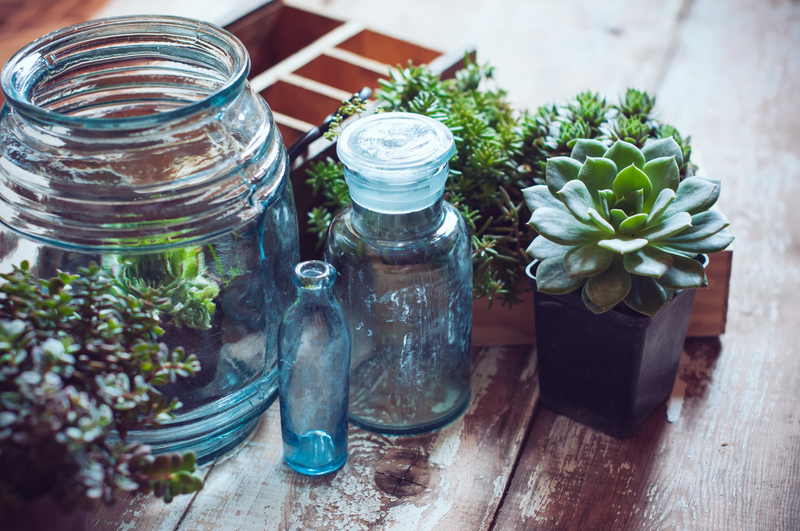
- Glass Jar Vases: Clean out empty glass jars, paint them in pastel hues, and use them as vases or candle holders.
- Wine Bottle Lights: Turn used wine bottles into chic pendant lamps by inserting string lights or fitting a bulb kit (always follow safety guidelines).
- Old Drawer Shelving: Stack unused drawers on a wall to create quirky shadow boxes or floating shelves for displaying collectables.
- Suitcase Side Tables: Attach hairpin legs to a vintage suitcase for a charming and functional side table. Perfect for storing magazines or cozy throws!
3. Clothing Upcycling: Reviving Your Wardrobe
Before you toss out that outdated shirt or worn jeans, consider the fashion possibilities! Upcycling apparel is a fun, eco-conscious trend that's as innovative as it is stylish:
- Patchwork Magic: Use old t-shirts or denim scraps to patch holes or create boho-inspired designs on jackets and jeans.
- Dye and Distress: Refresh faded textiles with natural or fabric-safe dyes, or add new life to jeans by distressing and embellishing with studs or embroidery.
- No-Sew Totes: Transform a t-shirt into a reusable shopping bag with a few simple cuts and knots--no sewing machine required!
- Accessory Creation: Old scarves become chic headbands, and outgrown sweaters can be remade into cozy mittens or hats.
4. Garden Upcycling: Creative Outdoor Solutions
Bringing upcycling outdoors yields vibrant, eco-friendly garden decor with quirky character. Check out these easy ideas:
- Pallet Planters: Reuse wooden pallets to build vertical gardens for small spaces or apartment balconies.
- Tire Swings and Planters: Paint old tires in bright colors and use them as flower beds, swings, or sculptural art pieces.
- Rain Boot Pots: Drill holes in the bottoms of mismatched boots and fill them with flowering plants for a fun, whimsical touch.
- Tool Transplants: Convert leaky old watering cans or teapots into unique succulent planters.
5. Upcycling Electronics and Tech Gadgets
Even obsolete electronics hold upcycling value! While always exercising caution with wiring and batteries, you can:
- Gadget Clocks: Transform CDs, hard drives, or game consoles into wall clocks--an ideal geek-chic decor piece.
- Cord Organizers: Repurpose toilet paper rolls or binder clips to organize messy charging cables and headphones.
- Component Jewelry: Jewelry makers can use small circuit boards or keys from old keyboards for stylish, tech-inspired accessories.
Step-by-Step Guide: How to Start Upcycling at Home
Ready to dive in? Follow this upcycling beginner's guide to start giving your old items a remarkable makeover:
- Inventory Your "Junk": Check your home, attic, and garage for unused items with potential. Look for furniture, glassware, textiles, electronics, and more.
- Gather Supplies: Stock up on sandpaper, paint, fabric, glue, screws, home tools, and decorative hardware. Thrift stores and local markets are great resources for materials.
- Get Inspired: Browse online galleries, social media, or upcycling DIY books for project ideas.
- Make a Plan: Sketch or visualize how the item will be transformed. Gather all needed materials in advance to streamline the process.
- Prepare the Item: Clean thoroughly, remove damaged parts, and make necessary repairs before you start the makeover.
- Design and Create: Paint, assemble, sew, or glue as required. Take your time and let each layer or step dry/cure properly for quality results.
- Finish and Enjoy: Add any final touches, display your revived creation, and bask in the satisfaction of your upcycling achievement.
Tips for Successful Upcycling Projects
- Start Small: Begin with simple projects to build confidence and skill before tackling larger items.
- Think Outside the Box: See the hidden potential in everyday objects--an old ladder can become shelving or a table base with creativity.
- Mix Materials: Combining metal, wood, glass, and fabric adds interest and improves function.
- Share Your Creations: Post before-and-after photos on social media to inspire others and join the growing upcycling community.
- Prioritize Safety: Always wear protective gear, use non-toxic paints, and follow guidelines for electrical or heavy-duty projects.
Where to Find Items for Upcycling
If your home is already clutter-free, seek out upcycle-worthy treasures elsewhere. Here are the best places to hunt:
- Thrift stores and charity shops
- Flea markets and garage sales
- Online marketplaces (e.g., Facebook Marketplace, Craigslist)
- Neighborhood swap events or communal trash pickup days
Don't overlook items others consider "junk"--what's scrap to one person could be your next statement piece!
Popular Upcycling Trends for 2024
As upcycled home decor and sustainable living dominate design trends, watch for these innovative directions:
- Biophilic Design: Integrating upcycled wood and natural materials into furniture and indoor planters for nature-inspired interiors.
- Industrial Chic: Combining metal components from old machinery with salvaged wood for shelving, desks, and lighting.
- Zero Waste Fashion: Upcycling scrap fabrics and leftover garments into haute couture and everyday wear.
- Techno-Art: Using defunct electronics in sculptures and wall art pieces.
Common Mistakes to Avoid with Upcycling Projects
- Skipping Prep Work: Always clean and repair an item before upcycling to ensure durability and quality results.
- Poor Material Choices: Verify that materials are safe and appropriate for their intended reuse (e.g., avoid lead-based paints or non-food-safe items in the kitchen).
- Overcomplicating Designs: Sometimes the simplest upcycling solutions create the best transformations.
Inspiring Upcycling Success Stories
Many individuals and businesses have made a lasting impact by turning trash into treasures. From upcycled furniture brands to creative DIY enthusiasts with viral social media makeovers, upcycling's potential is truly unlimited.
- Remade in Britain: This collective brings together upcyclers and artists to sell handmade goods, highlighting the commercial potential of creative reuse.
- Eco-Fashion Labels: Brands like Patagonia and Reformation are redefining sustainable fashion with upcycled collections.
- DIY Bloggers & Influencers: Platforms such as Upcycle That and The Crafted Life share practical tutorials and eye-catching transformations to motivate newcomers.
Conclusion: Transform Your Life with Upcycling
Giving old items a makeover with clever upcycling solutions is more than a trend--it's a responsible, fun, and rewarding lifestyle choice. Whether you're interested in eco-friendly craft projects, budget-savvy home updates, or a new creative hobby, upcycling offers endless opportunities to reimagine the potential in what you already have. So next time you consider tossing something away, remember: a touch of ingenuity can turn yesterday's junk into tomorrow's gem.
Start upcycling today and enjoy the lasting benefits of sustainability, savings, and self-expression!
Frequently Asked Questions
What's the difference between upcycling and recycling?
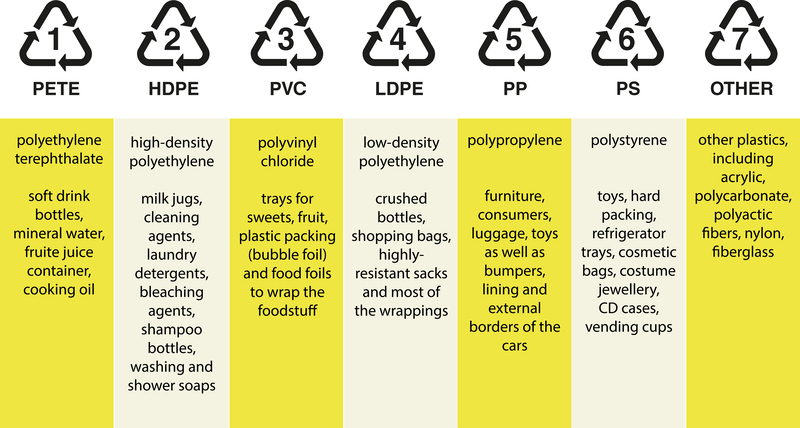
Recycling breaks materials down (like melting plastic bottles), often resulting in lower-quality products. Upcycling repurposes items using creativity, preserving or increasing their value by transforming them into something new and useful.
Is upcycling expensive?
Not at all! Upcycling is usually budget-friendly, relying on items you already own or inexpensive finds from thrift shops. The primary investment is your time and creativity.
What are the best tools for beginners?
Start with basic tools: a hammer, screwdriver, glue gun, scissors, sandpaper, paintbrushes, and hand saw. As you gain experience, you can upgrade your toolkit.
Embrace the world of upcycling to refresh your space, protect the environment, and unleash your inner artisan!
